Edit (Edith) Basch, 1895 – 1980
Relatively little information has surfaced about the life and career of Edit Basch. The most detailed account of her artistic trajectory and professional relationships appears in Zsófia Drienyovský’s article, “Women Painting Each Other in Paris: The Friendship of Józsa Járitz, Edit Basch, and Amrita Sher-Gil,” published in Artmagazin Online.
The present profile draws on this study, contemporary newspaper articles available through Gallica, the digital library of the Bibliothèque nationale de France, and biographical information from Wikipedia.
Born in Budapest in 1895, Basch was a Hungarian painter known principally for her portraits, female nudes, and watercolors. She studied with István Réti and Béla Iványi-Grünwald, both associated with the influential Nagybánya artists' colony, and attended the Budapest School of Fine Arts in 1917 and 1918.
Basch lived and worked in Paris from at least 1928 to 1930. She reportedly was a resident of the American University Women's Club in 1930, and possibly earlier, although the date of her arrival at the Club remains to be established. Basch attended the École des Beaux-Arts, where she studied in the atelier of the French painter Lucien Simon, whose students also included Amrita Sher-Gil.
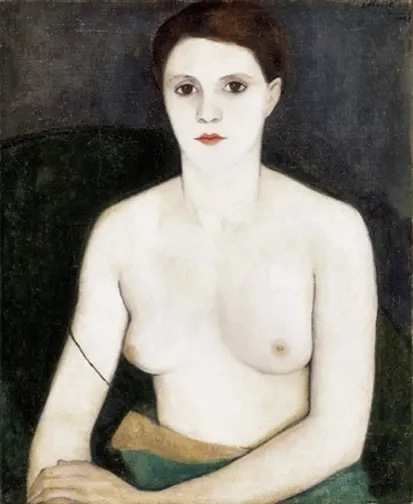
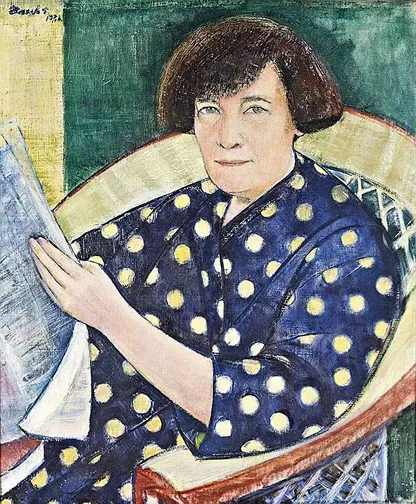
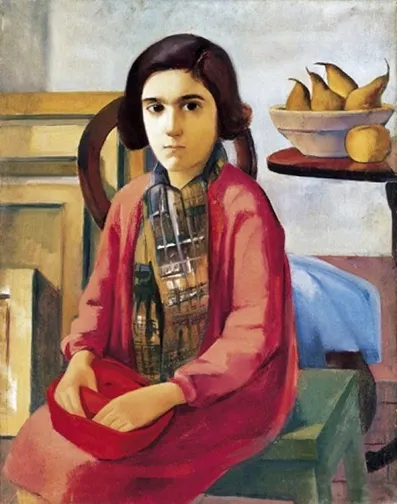
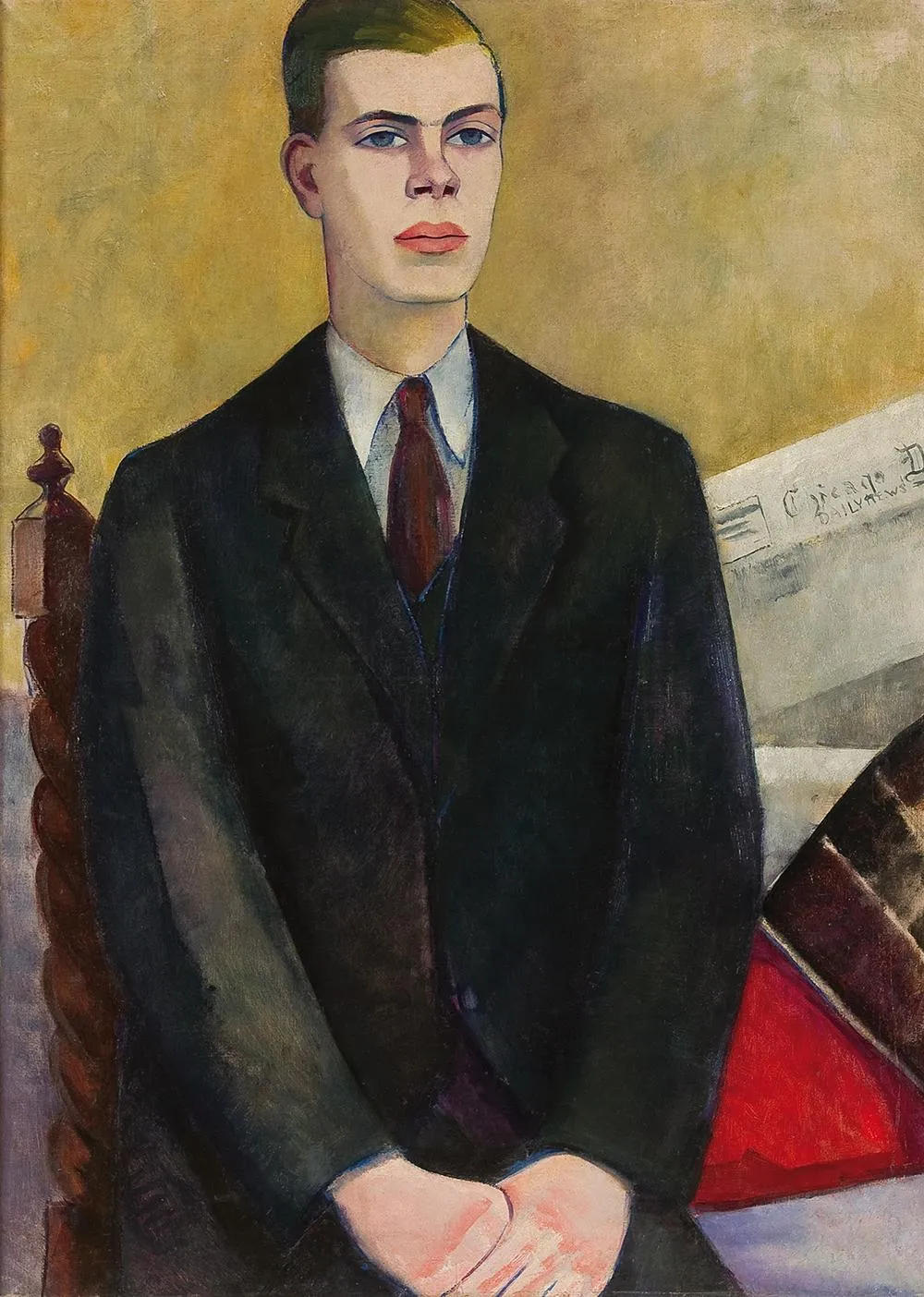
During her Parisian years, she participated in several major exhibitions. In 1928, she exhibited Un portrait de jeune fille at the Salon d'Automne (Ève, December 9, 1928, p. 11). The following year, she presented Portrait de jeune fille and Nu at the Salon des Indépendants. At the 1930 Salon des Tuileries, she exhibited four paintings, listed under catalogue numbers 207, 208, 209, and 210. One was an oil portrait of the writer and journalist Allan Burt Street, reported in the Chicago Tribune of July 20, 1930. The same article mentioned that Basch was leaving her studio on rue de Chevreuse for Évian-les-Bains.
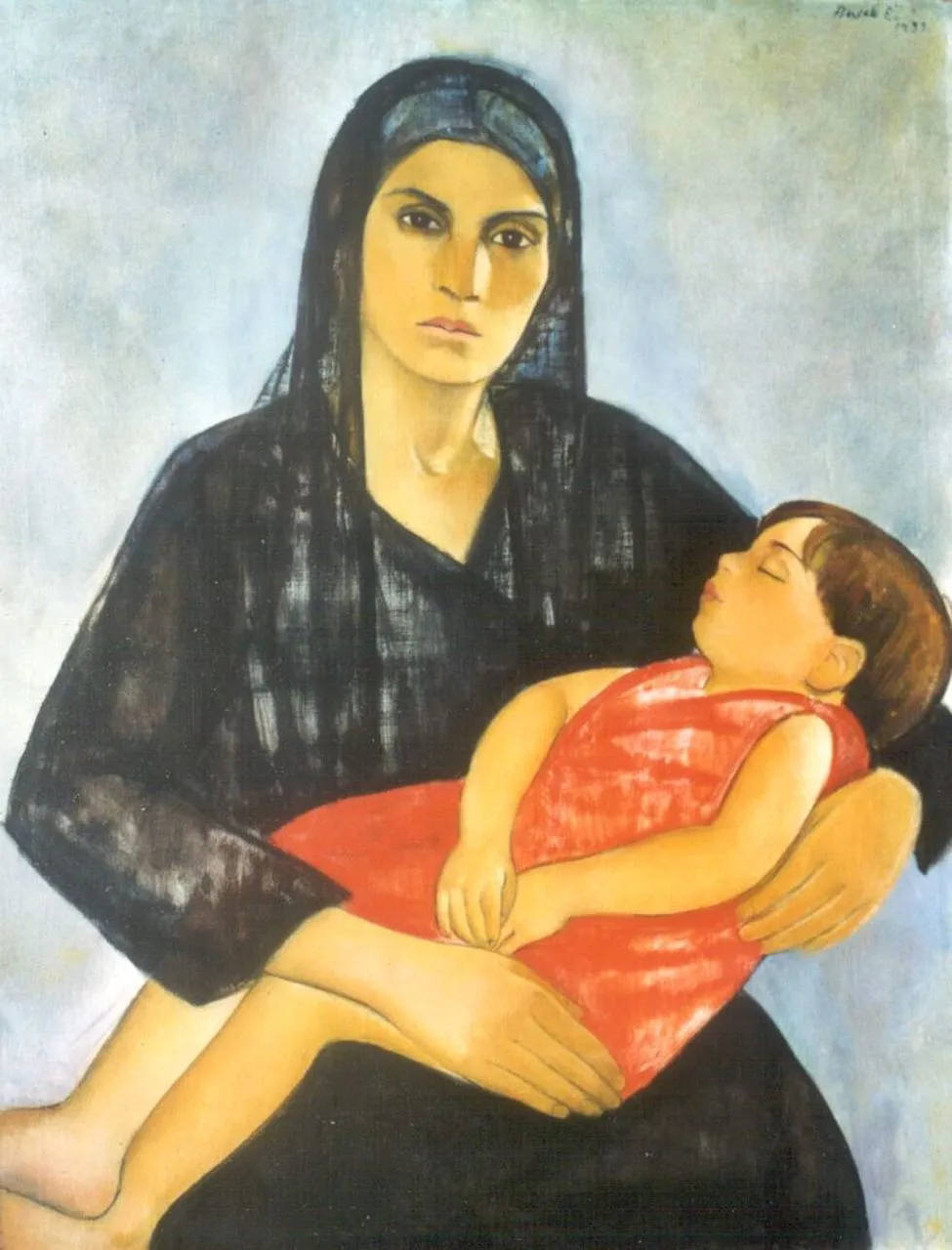
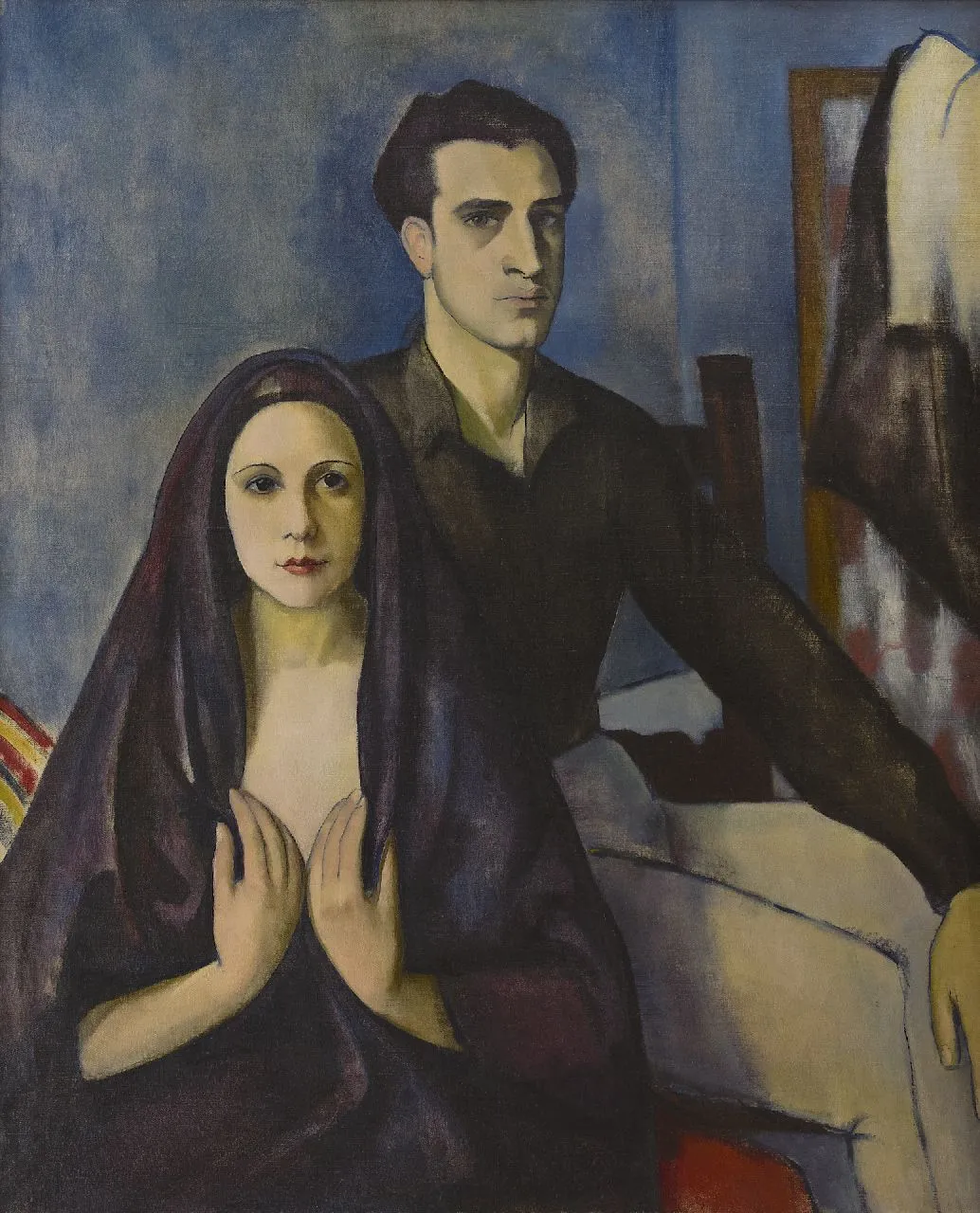
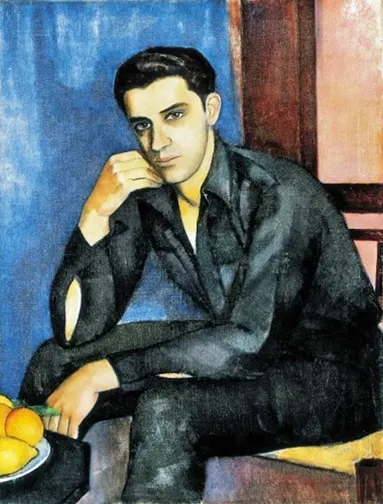
After leaving France, Basch spent time in Rome and Rhodes before returning to Budapest. In 1932, she exhibited at the Ernst Museum and painted a portrait of the Hungarian poet Mihály Babits, now in the Hungarian National Gallery. Through her brother Lóránt, a prominent lawyer and literary patron, she became closely associated with Hungary's intellectual community.
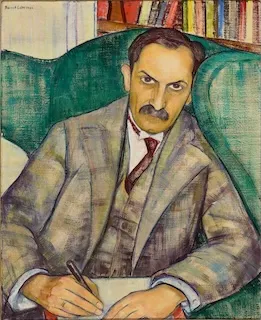
Basch formed part of an international artistic milieu that included the Hungarian painter Józsa Járitz and the Hungarian-Indian artist Amrita Sher-Gil. Her friendship with Járitz is documented in the latter's diaries, while her association with Sher-Gil continued into the following decade. These relationships reveal the networks of artistic exchange and mutual support cultivated by women painters working in interwar Paris.
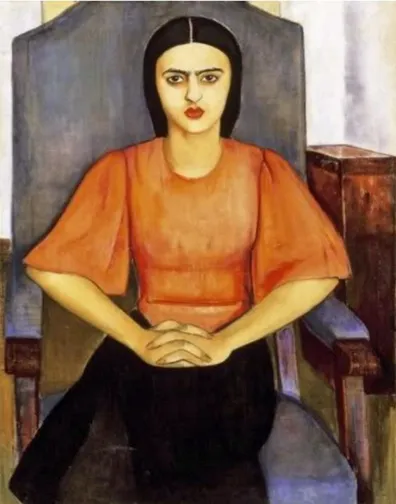
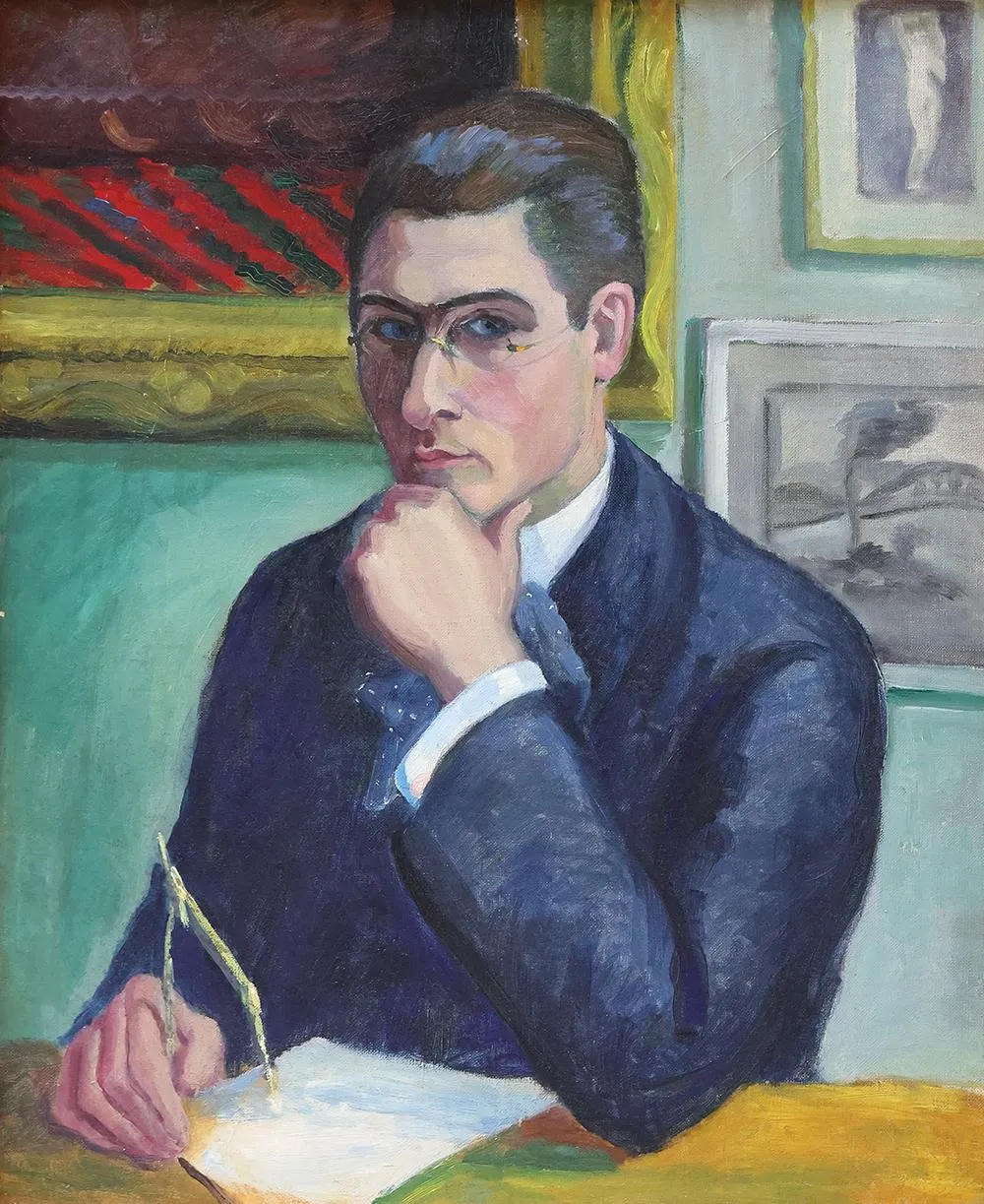
In 1937, Basch participated in the exhibition Femmes artistes d'Europe at the Musée du Jeu de Paume in Paris, in the Hungarian section. The exhibition was organized by the Comité international des beaux-arts of the Federation of Business and Professional Women (Figaro illustré, March 1, 1937, p. 44).
Basch maintained a studio in Budapest until 1947, when she moved permanently to Rome, where she died in 1980.